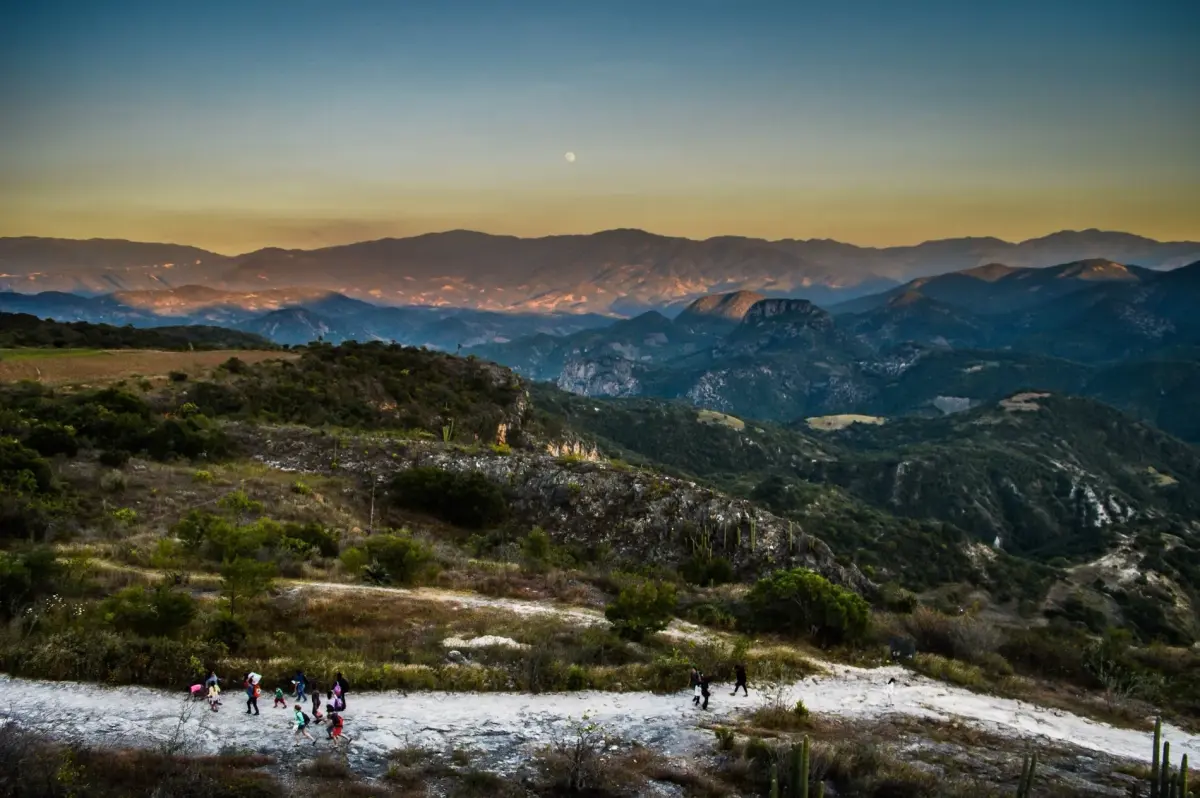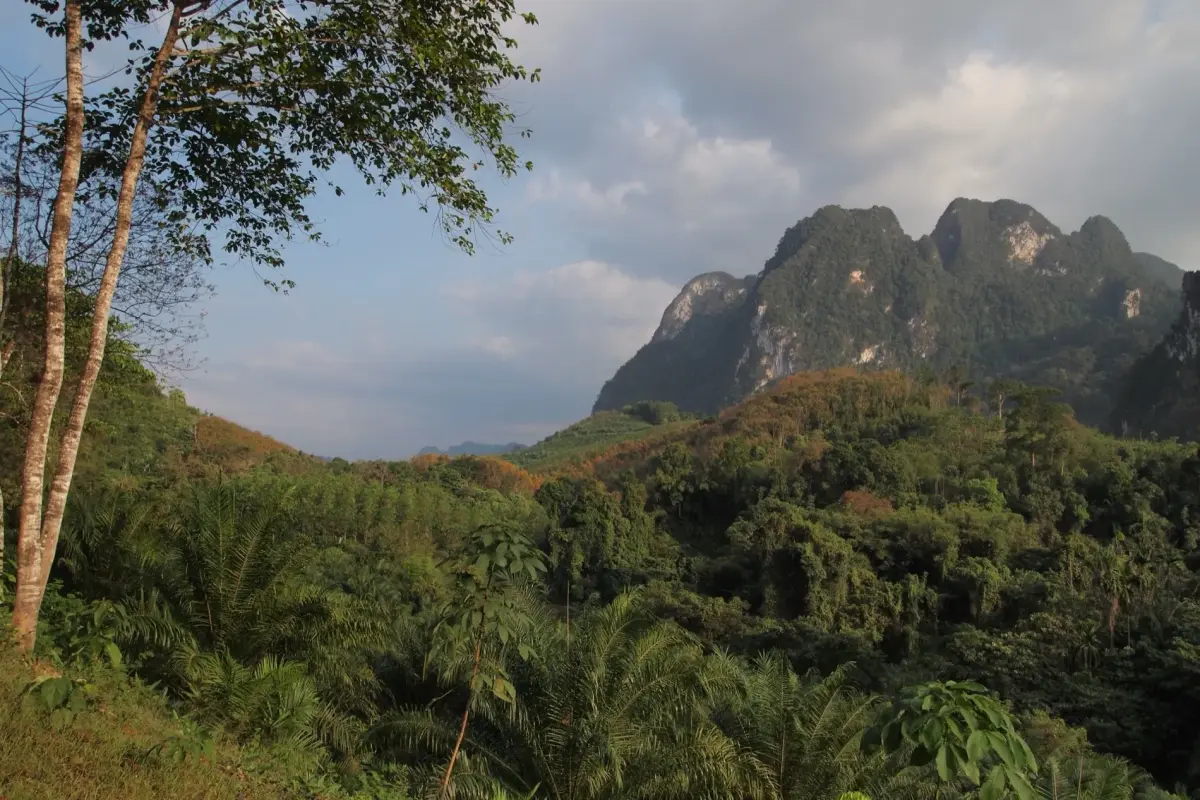
Most tourists arrive in Mexico already expecting tacos.
And they should.
But somewhere between resort buffets, carefully curated food tours, and endlessly photographed plates of birria, many travelers miss the stranger, older, more regional side of Mexican food entirely.
Because the real Mexico does not exist inside a single cuisine.
It exists in climates.
In altitude. In corn varieties. In smoke. In Indigenous cooking methods surviving quietly beneath colonial history and modern tourism.
Mexico changes dramatically from one state to another, and so does the food. The country’s cuisine is less a unified national identity than a collection of regional worlds that often have very little in common beyond chili, corn, and time.
And some of the most unforgettable dishes in Mexico are still the ones tourists rarely order.
01Mole Negro and the Slow Kitchens of Oaxaca
In Oaxaca, food often feels ancient long before it feels fashionable.
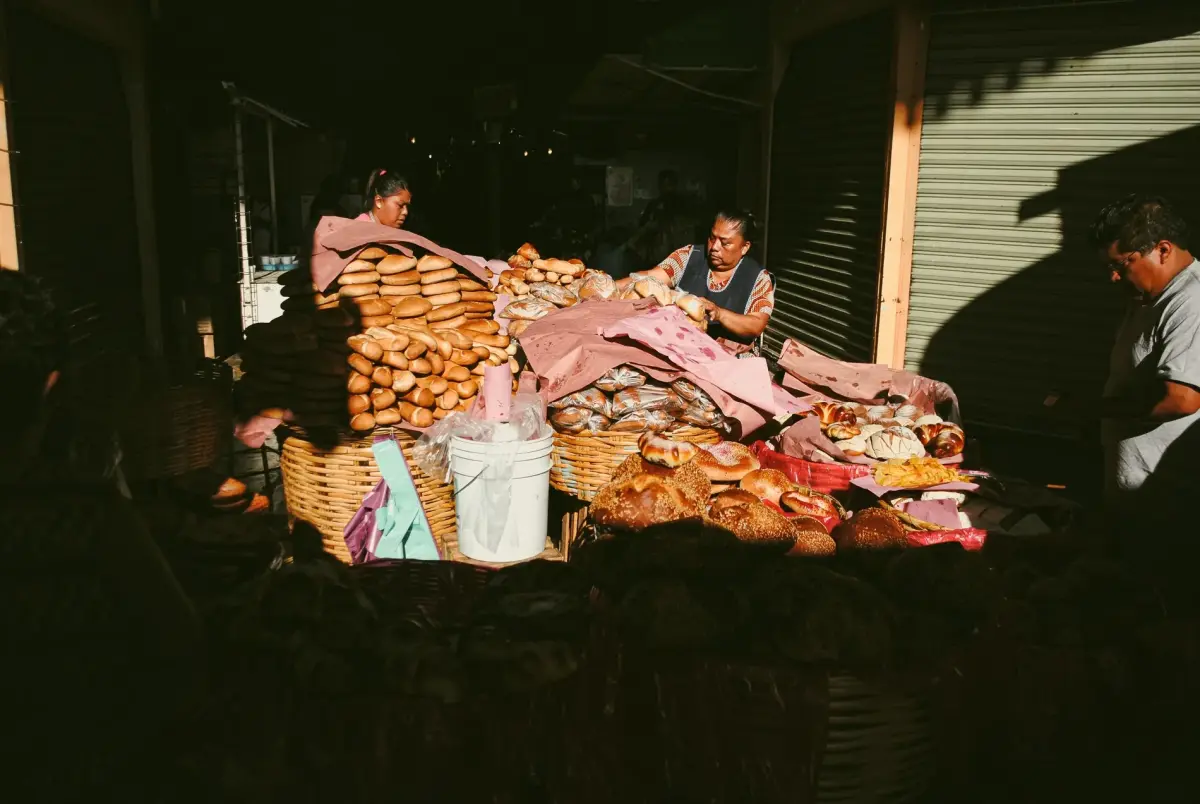
Markets smell of smoke, cinnamon, burnt chili, fresh tortillas, and chocolate ground by hand. Women still sit beside enormous pots stirring mole sauces that can take days to prepare properly.
Especially mole negro.
The sauce is nearly black — dense, bitter, smoky, slightly sweet, layered with dried chilies, spices, nuts, seeds, plantains, and charred ingredients blended so slowly that the final flavor becomes almost impossible to separate into individual parts.
Many tourists try mole once.
Few really understand it.
Because mole is not street food in the casual sense. It belongs to weddings, family gatherings, religious festivals, long afternoons inside kitchens filled with heat and conversation.
You taste time inside it.
Not just ingredients.
02The Yucatán Peninsula and Food That Tastes Like Heat
The food of Yucatán barely resembles northern Mexico.
The peninsula’s cuisine carries strong Mayan influence and feels almost tropical compared to the heavier meat-based dishes found elsewhere in the country.
Here, achiote stains pork deep red. Sour orange replaces lime. Banana leaves wrap slow-cooked meat. Smoke and citrus dominate the air around market stalls.
The most famous dish is cochinita pibil — pork marinated in annatto and citrus, then traditionally cooked underground for hours.
Real cochinita does not taste aggressive.
It tastes slow.
Soft enough to collapse instantly inside fresh tortillas while pickled red onions cut through the richness with sharp acidity.
Early in the morning in cities like Mérida, people eat it standing beside stainless steel counters before the heat becomes unbearable outside.
By noon, much of the city slows down entirely.
The food here feels shaped by climate as much as culture.
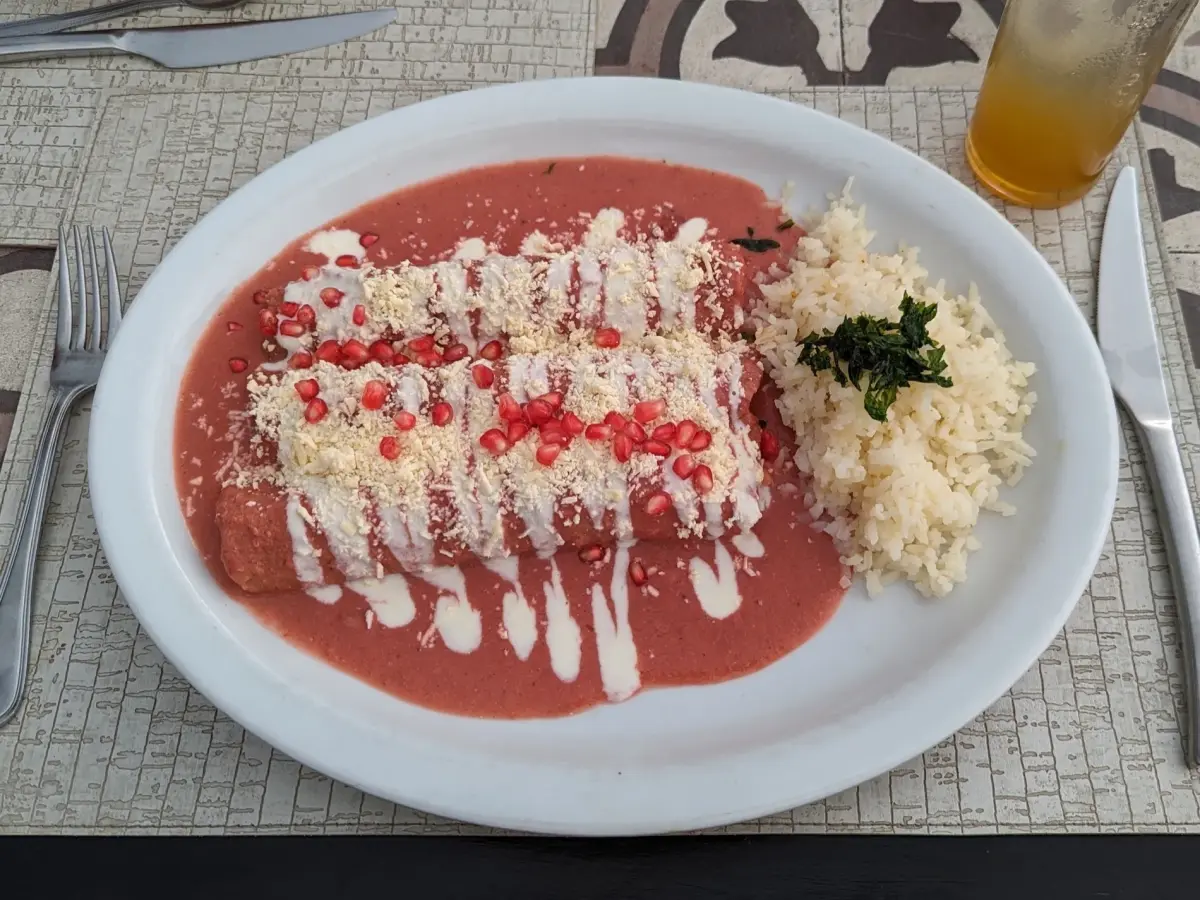
03The Northern Desert and Fire-Grilled Meat
In northern Mexico, food becomes harsher, drier, and more direct.
States like Nuevo León or Sonora are cattle country. The landscapes stretch outward into desert, industrial cities, and enormous skies, and the cuisine reflects that geography immediately.
Large flour tortillas replace smaller corn ones. Meat is cooked over open fire rather than hidden beneath complex sauces. Charcoal smoke becomes part of the flavor itself.
Carne asada here is not treated like spectacle.
It is routine.
Families gather around grills on weekends while smoke drifts into dry evening air. Beer bottles sweat in the heat. Music moves between houses. Children run through plastic chairs and concrete courtyards while meat crackles over fire.
This is another version of Mexico tourists rarely see.
Less colorful perhaps.
But deeply regional.
And they should.
04Pozole and the Ghosts of Ritual
Some Mexican dishes carry history uncomfortably close to the surface.
Pozole — the famous soup made with hominy corn — exists across multiple regions of Mexico, especially in Guerrero and Jalisco.
At first glance it appears simple: broth, corn, meat, oregano, lime, shredded lettuce, radish.
But the dish predates colonization.
And according to historians, earlier forms of pozole may once have been connected to ritual ceremonies in pre-Hispanic civilizations.
That history still lingers faintly around the dish today.
Especially late at night inside crowded pozolerías where enormous metal pots steam beneath fluorescent lights while people continue eating long after midnight.
Pozole feels less like restaurant food than social architecture.
Something people gather around repeatedly throughout life.
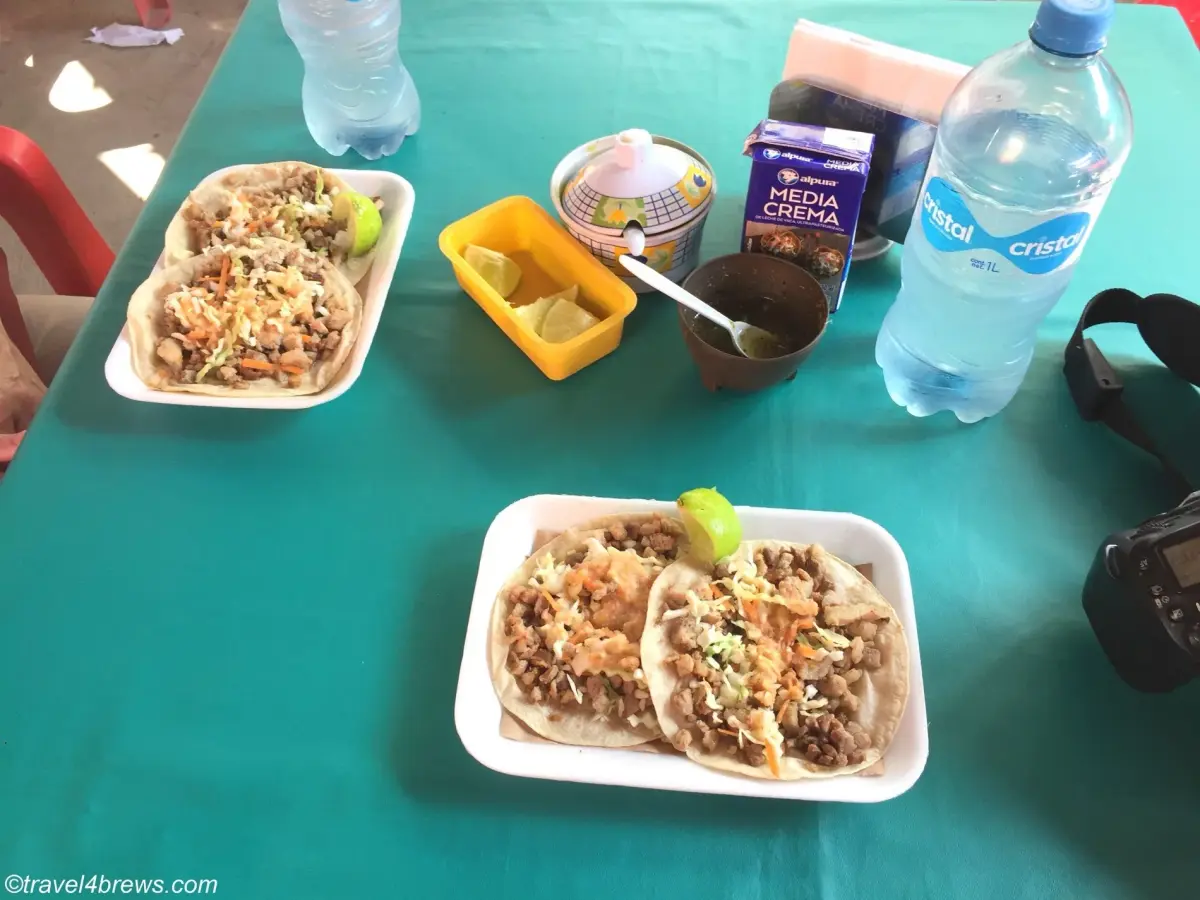
05The Mexico of Street Carts After Midnight
Many tourists experience Mexico through restaurants.
But some of the country’s most memorable food exists on sidewalks after dark.
In Mexico City especially, entire nighttime economies appear around tacos, grilled corn, tamales, quesadillas, and frying oil.
Metal carts fill the streets beneath harsh white lights. Steam rises into cold night air. Al pastor rotates slowly beside open flames while cooks slice meat directly into waiting tortillas with almost mechanical speed.
Office workers, students, taxi drivers, exhausted musicians, and drunk couples all stand together eating shoulder to shoulder.
This is not the polished version of Mexican cuisine shown in travel marketing.
It is louder. Greasier. Faster. More alive.
And often far better.
06The Foods Many Tourists Avoid
Some of Mexico’s most traditional foods remain unfamiliar even to experienced travelers.
Chapulines — toasted grasshoppers seasoned with lime and chili — still appear in markets across Oaxaca. Huitlacoche, a dark corn fungus sometimes called “Mexican truffle,” carries an earthy flavor many foreigners initially distrust. Menudo, a tripe soup eaten especially after long nights of drinking, remains deeply tied to working-class food culture across parts of the country.
These dishes survive because they belong to memory and habit more than tourism.
People grow up with them.
That matters.
Because the most authentic food cultures are rarely designed to impress outsiders.
07Mexico Beyond the Version Tourists Expect
Part of what makes Mexican food so powerful is that much of it still feels deeply local.
Recipes change between neighboring towns. Tortillas taste different across regions. Mole recipes vary between families who will argue for hours over the “correct” version.
The country refuses culinary simplification.
And perhaps that is why many travelers leave Mexico without fully understanding what they actually ate.
Not because the food lacks depth.
But because Mexico contains too many Mexicos to fit neatly into a single tourist narrative.
The version most visitors taste first is only the beginning.