There are weeks in the Philippines when the sea quietly takes control of the country again.
Not dramatically at first.
The sky remains bright in the morning. Palm trees barely move. People still sit outside sari-sari stores drinking instant coffee beneath electric wires tangled across small coastal towns.
And then somewhere around noon, the wind changes.
Port officials begin watching the water more carefully. Fast ferries disappear from departure boards. Small outrigger boats remain pulled higher onto the sand than usual. Tourists standing near ticket offices refresh weather apps that suddenly stop feeling abstract.
By evening, entire routes between islands can begin collapsing one by one.
On an archipelago stretched across more than seven thousand islands, weather is not background atmosphere.
It controls movement itself.
01The Season When Distance Returns
During calmer months, many parts of the Philippines feel deceptively connected.
Flights run on schedule. Ferries move constantly between islands. Travel itineraries begin looking simple on paper: Cebu to Bohol, Coron to El Nido, Siargao to Surigao.
The ocean becomes infrastructure.
But during rough sea season, the geography of the country starts revealing itself differently.
Distances that once looked small suddenly become unstable. A crossing that felt routine a week earlier turns uncertain overnight. Harbors fill with passengers waiting for updates no one can fully guarantee. Sometimes the sea calms within hours. Sometimes routes remain suspended for days.
And this unpredictability changes the emotional texture of travel surprisingly quickly.
People stop planning confidently far in advance. Travelers begin discussing weather patterns at breakfast. Hotel receptions start making quiet phone calls about alternative routes before guests even ask.
Movement across the Philippines becomes conditional.
02Palawan During Habagat
On the western side of the country, places like El Nido and Coron become especially vulnerable during Habagat — the southwest monsoon that affects large parts of the archipelago between roughly June and September.
- This is also when many first-time visitors make a mistake:
- they imagine rain as the main problem.
Often it is not the rain itself.
It is the sea.
Even beautiful mornings can deteriorate into rough crossings by afternoon. Island-hopping tours get canceled not because the sky looks dangerous from shore, but because open water conditions become unsafe for smaller boats farther from land.
And safety on the Philippine sea matters more than optimism.
Every year, accidents happen because travelers underestimate how quickly conditions change between islands.
Locals usually do not romanticize this instability.
They adapt to it.
03The Strange Beauty of the Low Season
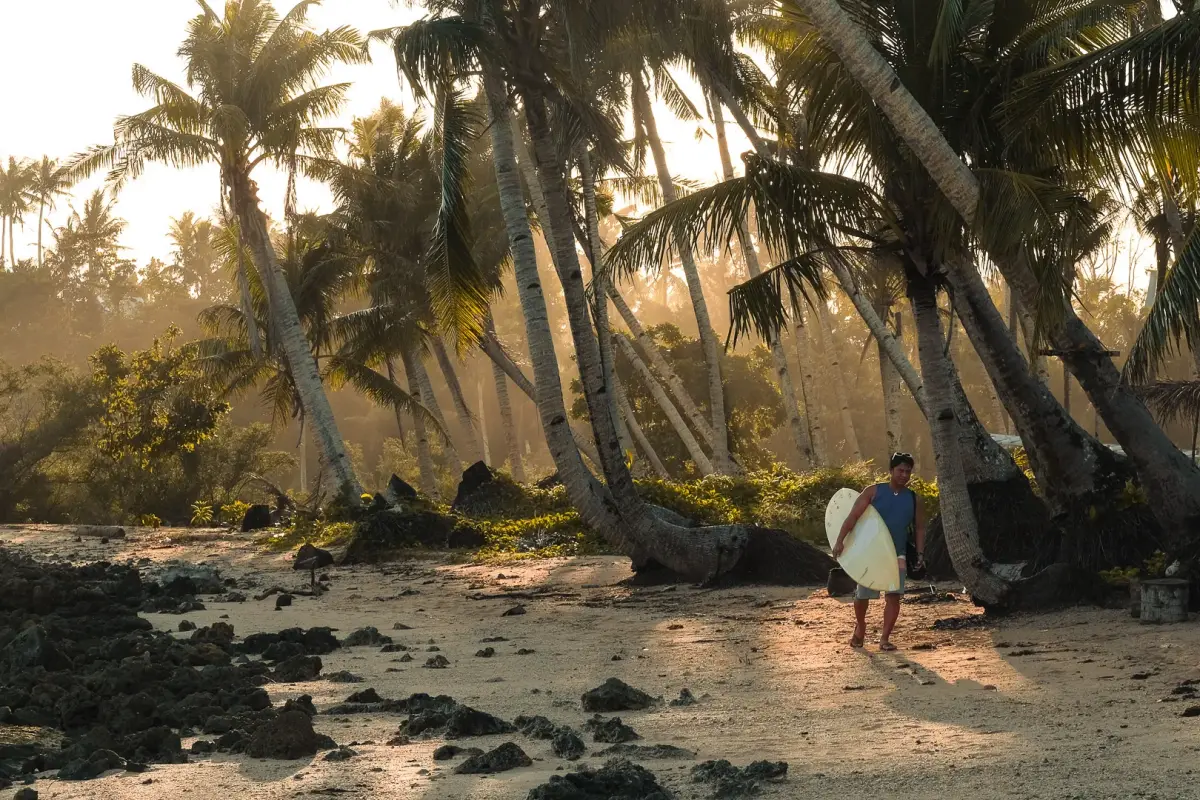
And yet, some of the most atmospheric weeks in the Philippines happen precisely during these unstable months.
Tourist-heavy islands become quieter. Beaches empty earlier in the evening. Hotel terraces that feel overcrowded in January suddenly grow almost silent after sunset.
The light changes too.
Cloud systems arriving from the sea create longer shadows and heavier skies. Late afternoon storms sometimes clear just before dusk, leaving entire coastlines covered in silver-gray light reflected through wet air.
Even the water changes color.
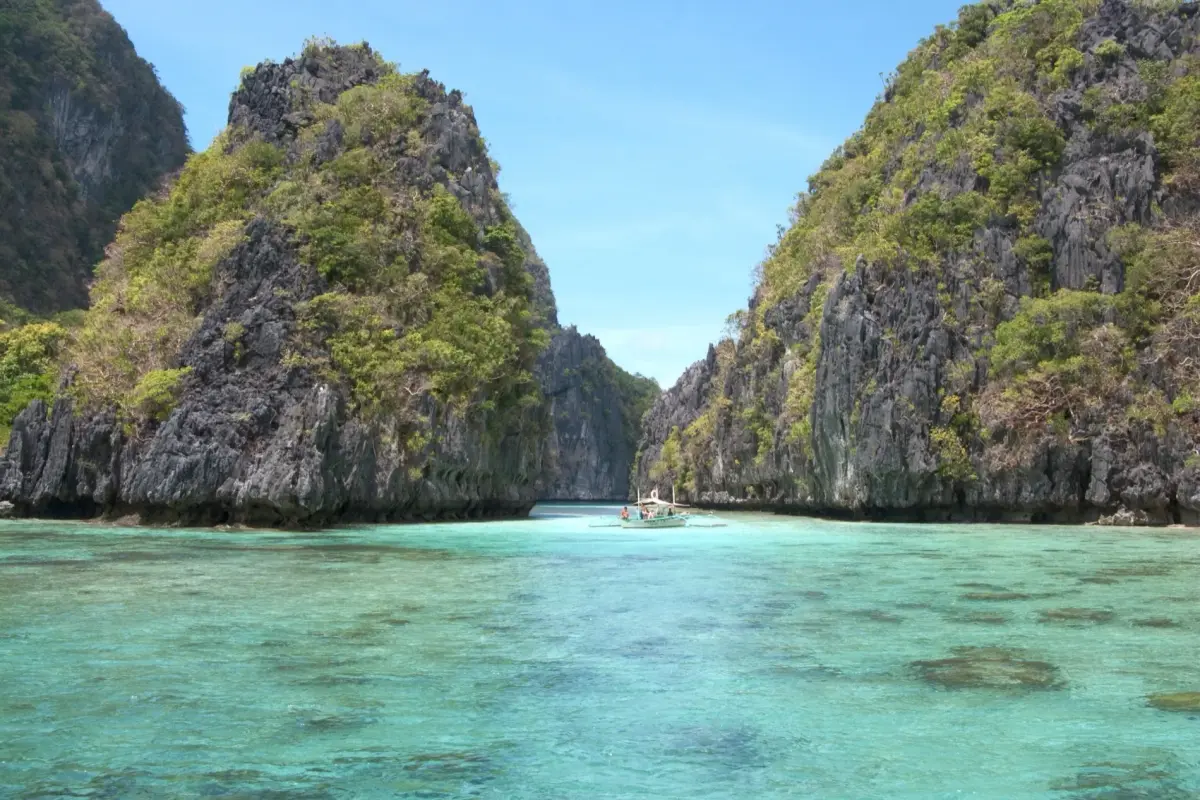
During calmer dry-season months, many islands become associated with impossible shades of turquoise designed for postcards and drone footage. During monsoon periods, the ocean often darkens into deep blue-green tones that make the archipelago feel less tropical and more physically immense.
The Philippines begins looking less curated.
And more oceanic.
Not dramatically at first.
04Siargao and the Months of Surf and Rain
On Siargao, instability becomes part of daily life for entire parts of the year.
Rain moves through the island suddenly. Roads flood temporarily. Power interruptions still happen in some areas during stronger storms. Flights occasionally shift around changing conditions.
But this is also when the island feels closest to its older rhythm.
Surfers continue entering the water beneath dark cloud cover. Motorbikes move slowly through flooded roadside sections. Cafés stay open through heavy rain while conversations stretch longer simply because nobody can leave yet.
The island becomes slower.
Less optimized.
- People spend more time waiting:
- for weather windows,
- for ferries,
- for roads to clear,
- for the sea to settle again.
And strangely, that waiting changes the way many travelers experience the country itself.
05The Psychological Difference Between Calm Water and Rough Water
The Philippines feels emotionally different when movement is uncertain.
- During perfect dry-season weather, island travel can begin feeling almost frictionless:
- boat tours,
- airport transfers,
- organized itineraries,
- sunset schedules,
- diving excursions planned weeks ahead.
But once rough sea conditions interrupt that system, the country becomes harder to control.
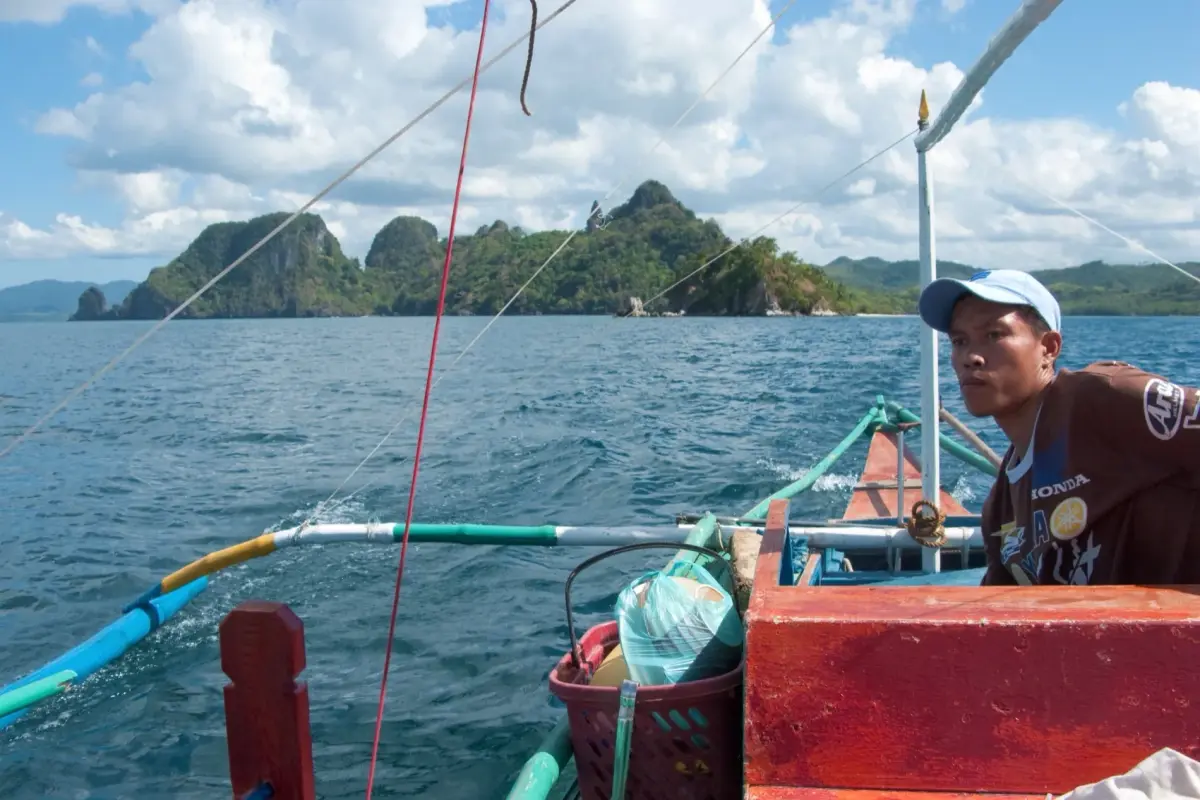
Travelers stay longer in places they planned to leave quickly. Routes collapse unexpectedly. Entire afternoons disappear inside ferry terminals listening for announcements that may never come.
And this unpredictability creates two completely different reactions.
Some people become frustrated immediately.
Others begin noticing the country more carefully.
Because once movement slows down, attention changes too.
You notice the sound of rain on corrugated roofs at dawn. The smell of wet concrete near ports. Basketball games continuing beside floodwater. Fishing boats tied down before storms arrive. Children still swimming in gray ocean water while adults watch the horizon carefully.
The Philippines stops functioning as a sequence of destinations.
And starts feeling like an archipelago controlled by weather again.
06The Best Season Depends on What You Can Tolerate
There are absolutely safer and easier periods to travel through the Philippines.
For many travelers — especially first-time visitors moving frequently between islands — the calmer dry-season months remain the better choice. Sea conditions become more reliable. Transportation grows easier. Delays become less common.
And there is nothing shallow about prioritizing safety and stability in a country where the ocean shapes so much of everyday movement.
But there is also a reason some travelers return during less predictable months anyway.
Not because storms are romantic.
And not because instability is enjoyable.
But because the Philippines can feel strangely overexposed during perfect weather — flattened into drone shots, island tours, and identical itineraries repeated across the same few destinations.
During rough sea season, the country becomes less convenient.
But sometimes it also becomes more real.
And perhaps that tension has always existed at the center of island travel: the closer a place moves toward comfort and predictability, the easier it becomes to cross — and the harder it becomes to feel truly distant.