Nepal transforms dramatically throughout the year. The same valley can feel golden and ceremonial in October, soft and flower-filled in April, rain-soaked and mysterious in July, or sharp and crystalline in January. Choosing when to visit Nepal is not simply about choosing good weather. It is about choosing the atmosphere, rhythm, and version of the country you want to experience.
For most travellers, the best time to visit Nepal is autumn, from late September to November, when the monsoon rains disappear, the air becomes exceptionally clear, and the Himalayas emerge with astonishing sharpness. Spring, from March to May, is considered the second great season, bringing warmer temperatures, blooming rhododendron forests, and long days ideal for trekking.
01Nepal Feels Like a Different Country in Every Season
But Nepal does not have one perfect season. Kathmandu and Patan are especially beautiful in winter, when the air is dry, the light becomes softer, and the ancient squares feel calmer without peak-season crowds. Chitwan is often more comfortable during the cooler months. Pokhara after rainfall can feel deeply atmospheric, with clouds drifting above the lake and freshly washed mountain views. Mustang and parts of Manang sit in the Himalayan rain shadow, making them possible even during summer months when much of Nepal disappears beneath monsoon clouds.
02Autumn: Nepal at Its Most Complete
If this is your first trip to Nepal and you want the country to reveal itself with minimal weather compromises, autumn is the best choice. By late September, the monsoon gradually retreats, leaving behind clear air, intensely green terraces, and extraordinary mountain visibility. October and November are the classic trekking months for Everest, Annapurna, Langtang, and Manaslu. Conditions are usually stable, the skies often remain clear for days, and the trails carry a feeling of movement and anticipation.
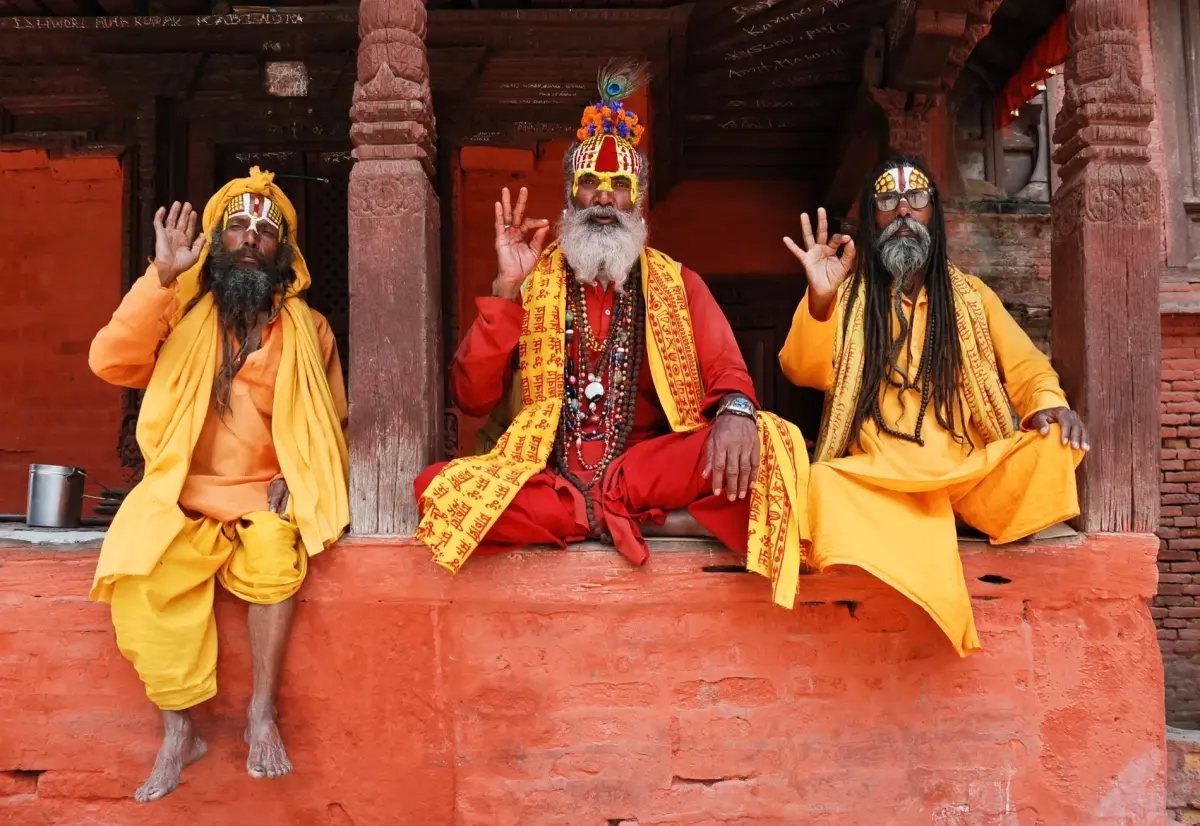
Autumn is also when Nepal feels especially alive. Villages are busy, tea houses operate at full rhythm, guides and porters are working continuously, and the country’s biggest festivals often take place during this season. Dashain and Tihar fill cities with lights, flowers, music, rituals, and family gatherings. For travellers, these festivals never feel staged for tourism. They feel woven naturally into everyday life.
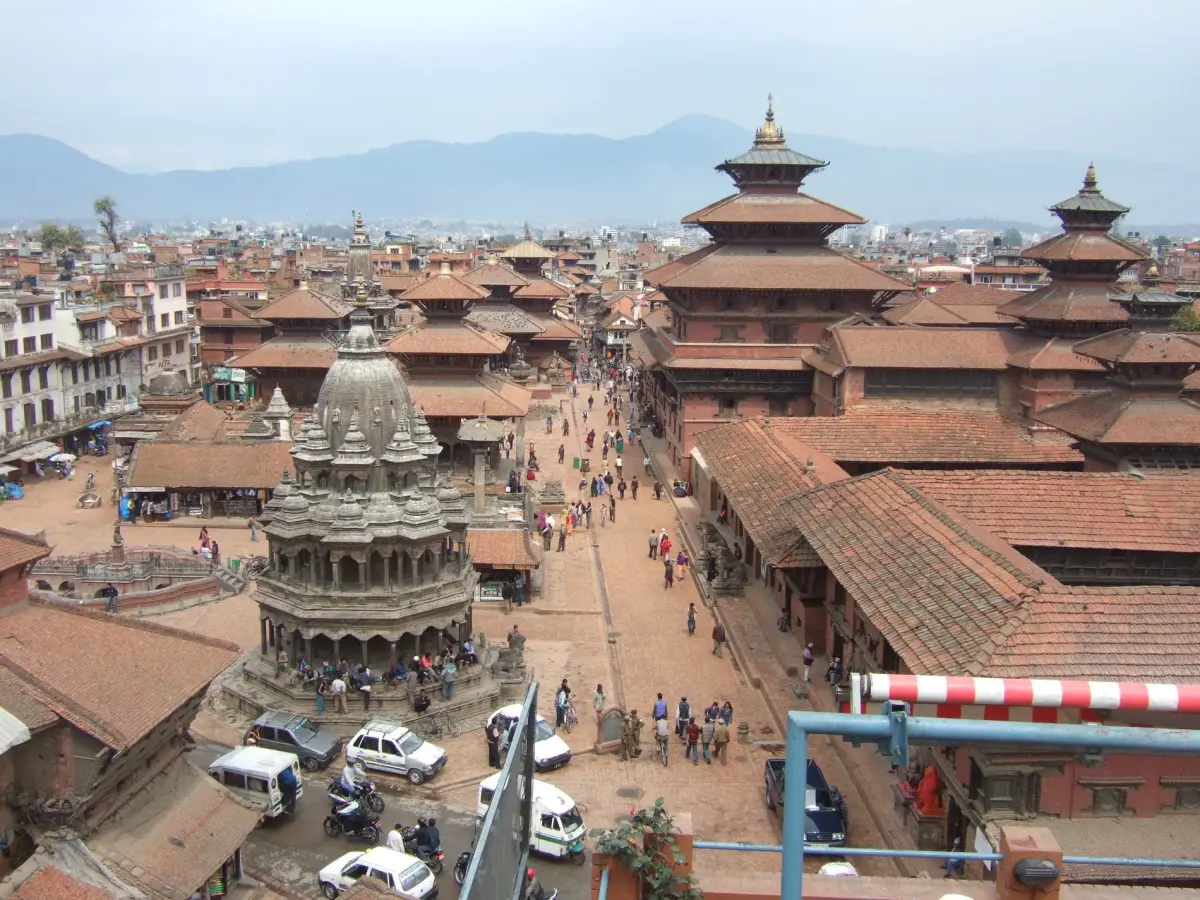
Kathmandu Valley is particularly impressive in autumn. The air is far cleaner than during the dusty pre-monsoon months, Patan’s brick temples glow in soft evening light, and Bhaktapur becomes almost cinematic at sunset. This is the ideal season for travellers who want to combine several days in Kathmandu, Patan, and Bhaktapur with Pokhara or a Himalayan trek.
The main drawback of autumn is popularity. This is peak season. Famous trekking routes become busier, domestic flights require advance planning, and the best boutique hotels in Kathmandu and Pokhara often book out early.
03Spring: Softer, Warmer, More Sensual
Spring in Nepal is less sharply clear than autumn, but it carries a completely different kind of beauty. From March to May, temperatures rise, days become longer, and mountain forests begin to bloom. Rhododendrons cover hillsides in red, pink, and white, especially in the Annapurna and Langtang regions. Kathmandu becomes warmer and more relaxed.
March is often considered the most balanced spring month. The air still feels relatively fresh, the intense heat has not yet arrived, and trekking routes begin waking up after winter. April is especially beautiful in forested Himalayan regions, where flowering trees make many trails feel almost surreal. May becomes warmer and more humid, especially in Kathmandu and Pokhara, though higher-altitude regions remain comfortable for travel.
Spring is also excellent for cultural travel across Nepal. Holi, the festival of colours, often takes place in March and transforms Kathmandu into a chaotic and energetic celebration. Buddha Jayanti, usually held in April or May, is especially meaningful in Lumbini and Buddhist monasteries throughout the country.
For photographers, spring offers a very different mood from autumn. Autumn is about dramatic Himalayan clarity. Spring is about texture, haze, flowers, warm stone, and human details.
04Winter: Quiet Temples and Crystal-Clear Air
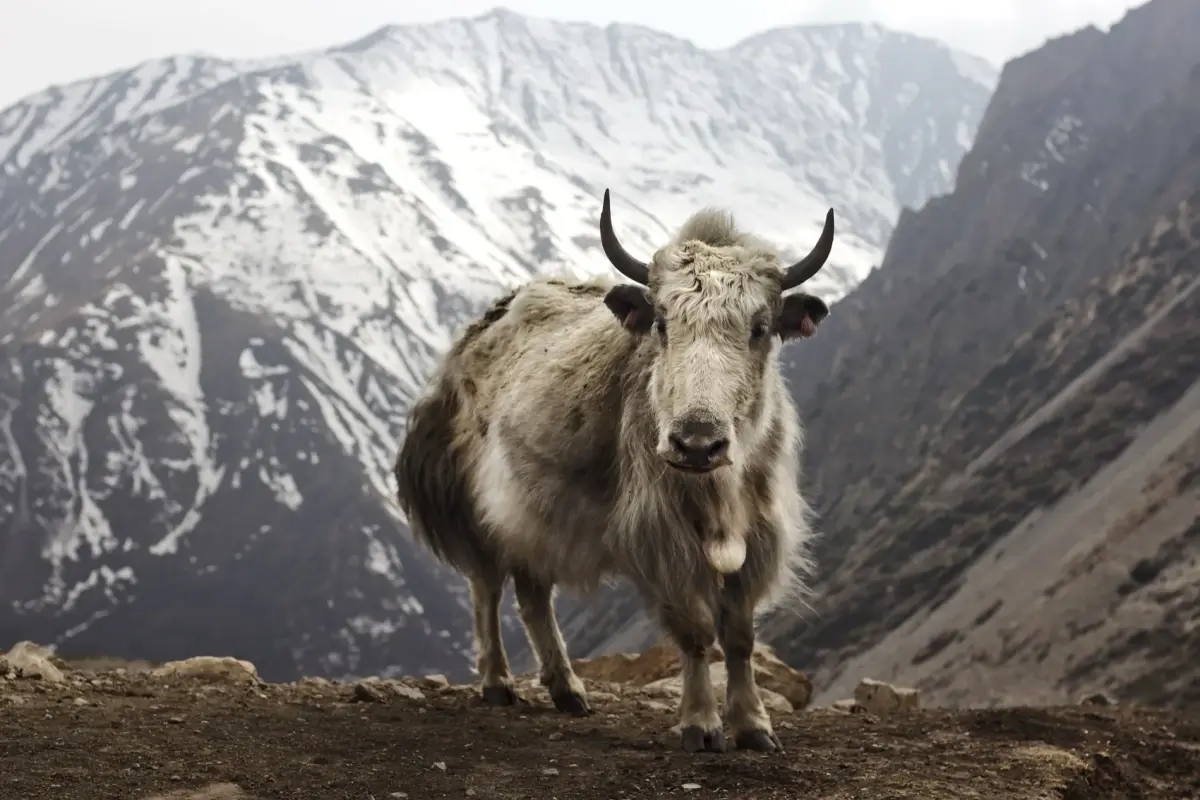
Winter in Nepal is often underestimated. From December to February, it is not the ideal season for high-altitude trekking unless you are well prepared for snow and freezing temperatures. But for Kathmandu, Patan, Bhaktapur, Pokhara, and Chitwan, winter can be one of the most rewarding times of year.
The air is usually dry, tourist numbers fall significantly, and the light becomes soft and cinematic. Winter mornings in Patan are especially atmospheric: butter lamps inside temples, elderly men wrapped in wool scarves, bells echoing through cold air, and sunlight slowly reaching carved wooden windows.
Bhaktapur feels calmer and more intimate without crowds. Kathmandu becomes easier to absorb as the city slows slightly and reveals itself through smaller details.
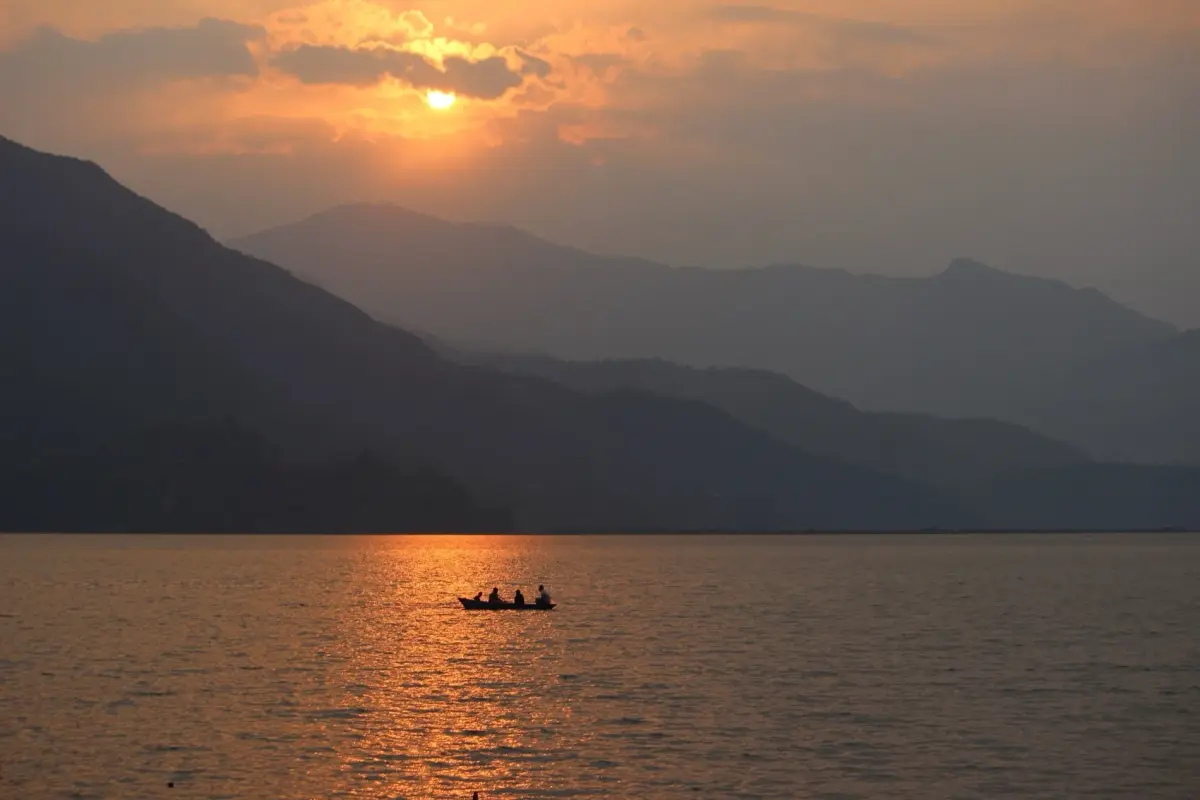
Pokhara in winter can also be remarkably beautiful, especially at sunrise, when the Annapurna range appears above Phewa Lake. Chitwan during the cool dry season is far more comfortable than during the intense heat of late spring.
The main limitation of winter is altitude. Some mountain passes can close due to snow, and nights in remote trekking areas become extremely cold.
05Monsoon: Green, Difficult, and Deeply Atmospheric
The monsoon season usually lasts from June to September. During these months, Nepal receives most of its annual rainfall. For first-time visitors, this period is not always ideal. Roads may become unreliable, domestic flights are frequently delayed, and mountain views often disappear behind clouds.
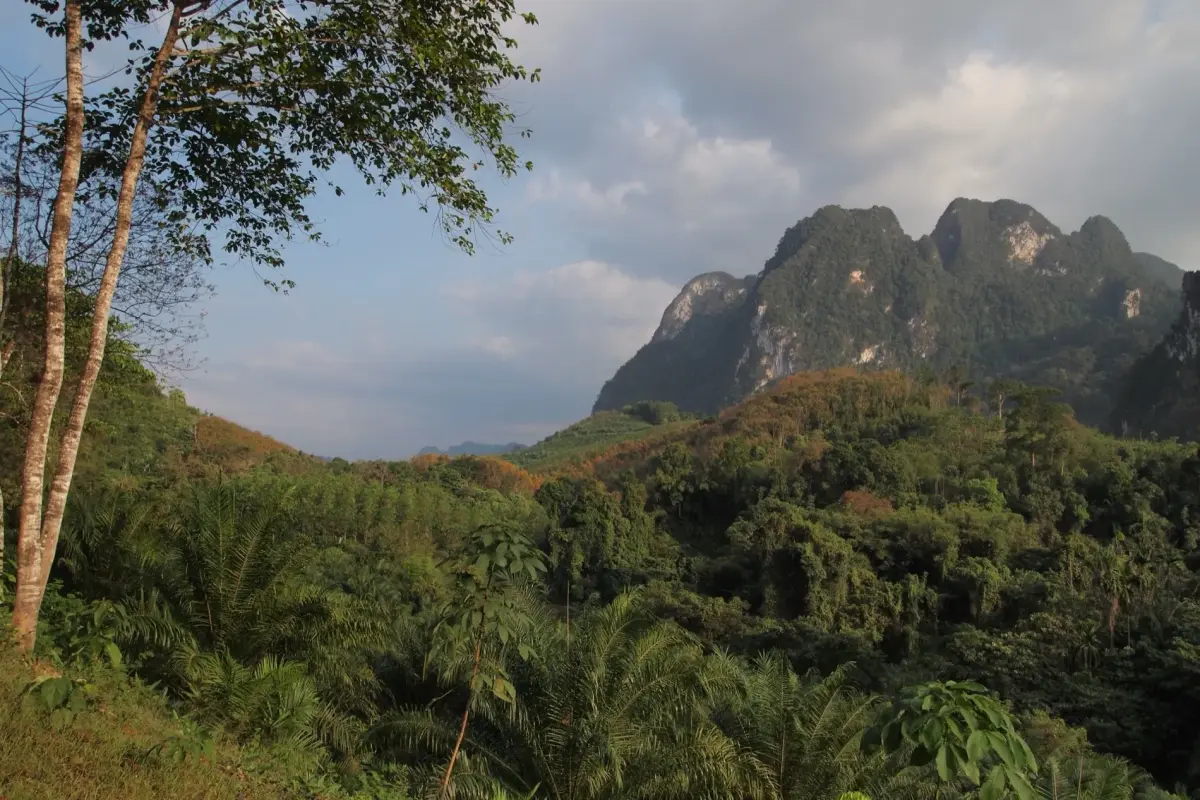
Yet monsoon cannot be described as an unattractive season. On the contrary, Nepal becomes intensely green. Rice terraces glow with colour, waterfalls become more dramatic, and Pokhara develops an almost mystical atmosphere as clouds drift low over the lake.
For photographers, writers, slow travellers, and people willing to experience Nepal as a living country rather than simply a Himalayan postcard, monsoon can become unexpectedly beautiful.
The major exception is Nepal’s rain-shadow regions. Upper Mustang and parts of Manang receive far less rainfall because they lie behind the Himalayan barrier. For experienced travellers visiting Nepal during summer, these regions often become the best choice.
For most travellers, the best time to visit Nepal is autumn, from late September to November, when the monsoon rains disappear, the air becomes exceptionally clear, and the Himalayas emerge with astonishing sharpness. Spring, from March to May, is considered the second great season, bringing warmer temperatures, blooming rhododendron forests, and long days ideal for trekking.
06Best Time for Trekking in Nepal
For trekking, autumn and spring remain the strongest seasons. October and November are considered ideal because of stable weather and exceptionally clear mountain views. March and April are better for travellers who prefer warmer temperatures and flowering forests.
Everest Base Camp is especially spectacular in autumn, when visibility is often at its best. Spring offers slightly warmer conditions. The Annapurna region works beautifully in both seasons, while Langtang becomes particularly striking during spring bloom.
For shorter and less demanding routes, Ghorepani, Poon Hill, and Mardi Himal are excellent choices.
07Best Time for Kathmandu, Patan, and Bhaktapur
Kathmandu Valley feels most comfortable between October and April. Autumn brings festivals and clear skies. Winter offers calmness, softer light, and fewer tourists. Spring gives the valley warmth and energy.
Patan is especially beautiful early in the morning and close to sunset. The best months are October, November, February, March, and April. Bhaktapur feels most atmospheric during autumn and winter, when its brick architecture contrasts beautifully with dry air and golden light.
If your trip to Nepal focuses more on culture and atmosphere than trekking, winter can actually feel more rewarding than peak season.
08Best Time for Pokhara
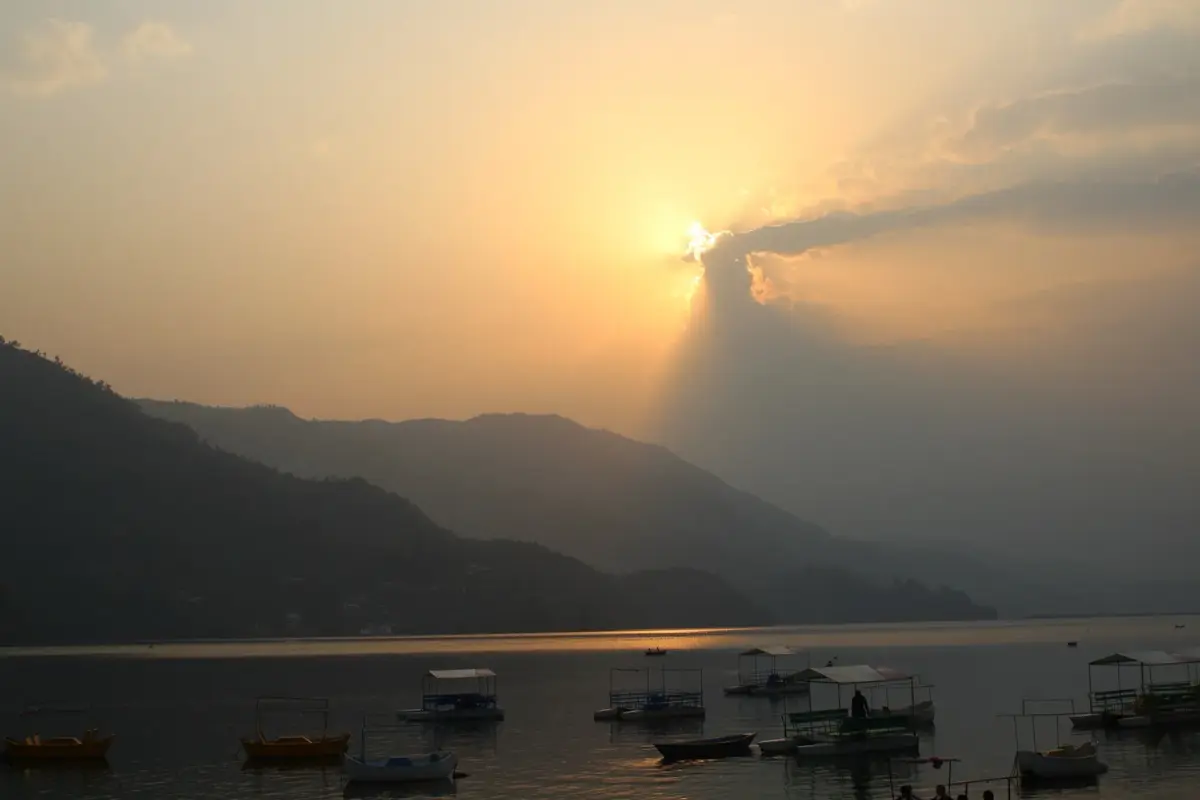
Pokhara is most beautiful when the mountains remain visible above the lake, making October through April the most reliable period. Autumn provides the clearest Himalayan panoramas. Winter brings quiet mornings and a peaceful atmosphere. Spring adds warmth, paragliders above the lake, and a slower rhythm.
During monsoon season, Pokhara receives heavy rainfall, though this is also what gives the city its cinematic atmosphere.
09Best Time for Chitwan
Chitwan is best visited from October to March, when temperatures become cooler and conditions remain dry. This is the most comfortable period for safaris, jungle walks, and canoe rides.
Late spring becomes extremely hot, while summer brings humidity and heavy rain.
10Which Month Is the Best Overall?
If only one month can be chosen, October remains the classic answer. Nepal reveals itself most completely during this period: clear mountains, active trekking routes, festivals, comfortable temperatures, and ideal conditions for combining Kathmandu, Pokhara, Chitwan, and the Himalayas in a single trip.
November is nearly as good and often slightly calmer after the major festivals. March is usually considered the best spring alternative, while April is particularly beautiful in forested mountain regions.
11Final Recommendation
For a first trip to Nepal, the best period is usually late October through mid-November. For a softer, greener, warmer Nepal, choose March or April. For a quieter cultural journey with fewer tourists, December through February can be deeply rewarding. And for an unusual summer trip, look toward Mustang rather than the classic monsoon routes.
Nepal depends heavily on timing. In the right season, the country reveals not only its mountains, but the exact light in which they were meant to be seen.