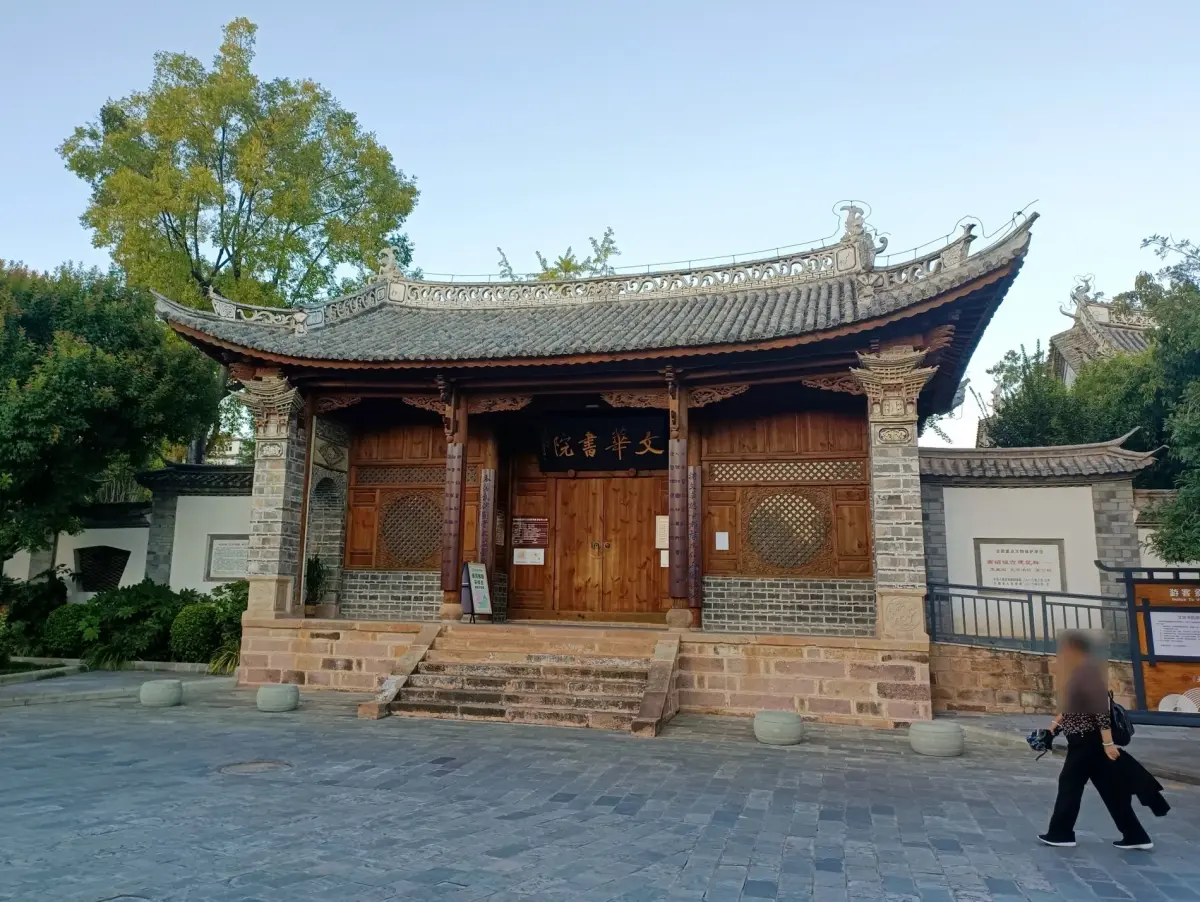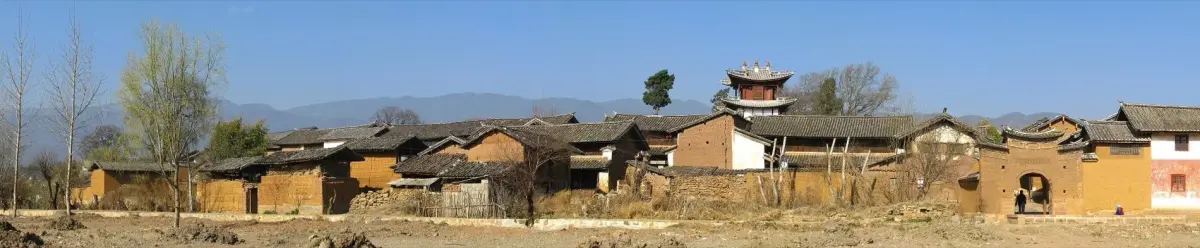
Shaxi sits in a quiet valley between Dali and Lijiang, close enough to both to appear simple on a map, but different enough to feel like a real change of rhythm once you arrive. The old town is small, built around Sideng Market Square, with timber shopfronts, stone lanes, courtyard guesthouses, a Ming-era temple, an old theatre stage, and mountain air that makes even ordinary errands feel gently ceremonial.
This was once a market stop on the Ancient Tea Horse Road, the trade network that linked Yunnan with Tibet and beyond. Tea, salt, horses, textiles, and daily goods moved through these valleys for centuries. Shaxi’s importance was never about grand imperial scale. It was a caravan town: practical, local, useful, full of traders, animals, food stalls, religious life, and families who made a living from people passing through.
That is still what makes Shaxi beautiful. It does not overwhelm you with monuments. It asks you to look properly at a wooden doorway, a stone bridge, a basket of mushrooms at the Friday market, the curved roof of the opera stage, the worn threshold of a temple, the way old men sit in the square with their backs warmed by the afternoon sun. The pleasure of Shaxi is not in rushing through it. It is in giving it enough time to become legible.
011. Start in Sideng Market Square
Sideng Market Square is the heart of Shaxi Ancient Town and the best place to begin. The square is not large, but it carries the whole story of the town: the ancient theatre stage on one side, Xingjiao Temple opposite it, old shopfronts around the edges, and lanes leading out toward homes, fields, guesthouses, cafés, and the river.
The first impression is architectural balance. The square feels human in scale. Nothing towers. Nothing tries too hard. The theatre stage rises with elegant wooden lines and tiled eaves, while the temple across from it gives the space a quiet ceremonial weight. It is easy to imagine why this layout mattered in a caravan town. Markets, performances, worship, trade, gossip, and rest all happened within sight of one another.
Come early in the morning, before the day has properly gathered itself. The square is soft then: a few shutters opening, someone sweeping stone, a dog crossing the lane, steam lifting from a breakfast stall. Later, visitors arrive, cafés fill, and the space becomes livelier, but morning gives you the cleanest sense of the town’s structure.
Practical Info: Sideng Market Square is free to visit and easy to explore on foot. Budget at least one unhurried hour for the square and surrounding lanes, though you will probably return several times during your stay.
022. Visit Xingjiao Temple
Xingjiao Temple is one of Shaxi’s most important historic buildings. Built in the Ming dynasty, it stands directly opposite the old theatre stage, making the square feel like a conversation between performance and worship, public life and spiritual life.
The temple is closely associated with Bai Buddhist culture, and its surviving architecture and murals are part of what makes Shaxi more than a pretty old town. The details are not decorative background; they are evidence of a place where trade routes carried not only goods, but beliefs, artistic styles, and local identities.
Go inside slowly. Look at the timber structure, the rooflines, the painted surfaces, the way the buildings sit in relation to the square outside. Shaxi is most rewarding when you do not treat its historic sites as isolated attractions. The temple matters because it belongs exactly where it is: facing the theatre, beside the market, inside a town that once served people arriving by foot, mule, and horse.
Practical Info: Opening arrangements can vary, so check locally when you arrive. Visit in the morning or late afternoon for softer light and a quieter atmosphere.
033. Walk the Old Lanes Around Sideng Street
After the square, follow the lanes without trying to optimize the route. Shaxi’s old streets are made for wandering: stone underfoot, earth-toned walls, carved wooden doors, small courtyards, and glimpses of daily life that appear and disappear quickly.
The architecture here is one of the town’s quiet strengths. You will see traditional Bai-style houses, timber frames, whitewashed or earthen walls, and courtyards that make the town feel inward-facing in the best way. Shaxi does not perform its beauty loudly. Much of it is half-hidden: a doorway left open, a tiled roof behind a wall, a plant growing beside an old threshold, a guesthouse courtyard where tea is being poured in the shade.
This is also where the town’s newer life appears. Some old houses have become cafés, small inns, studios, teahouses, and restaurants. In a less careful place, that could feel artificial. In Shaxi, when done well, it gives the old town a second life without erasing the first one. You can still feel the bones of the caravan town beneath the softer rhythm of modern travel.
Don’t Miss: Walk beyond the most photogenic lanes near the square. The quieter edges of town often feel more intimate, especially in the late afternoon when the walls warm in the sun.
044. Cross Yujin Bridge and Walk by the Heihui River
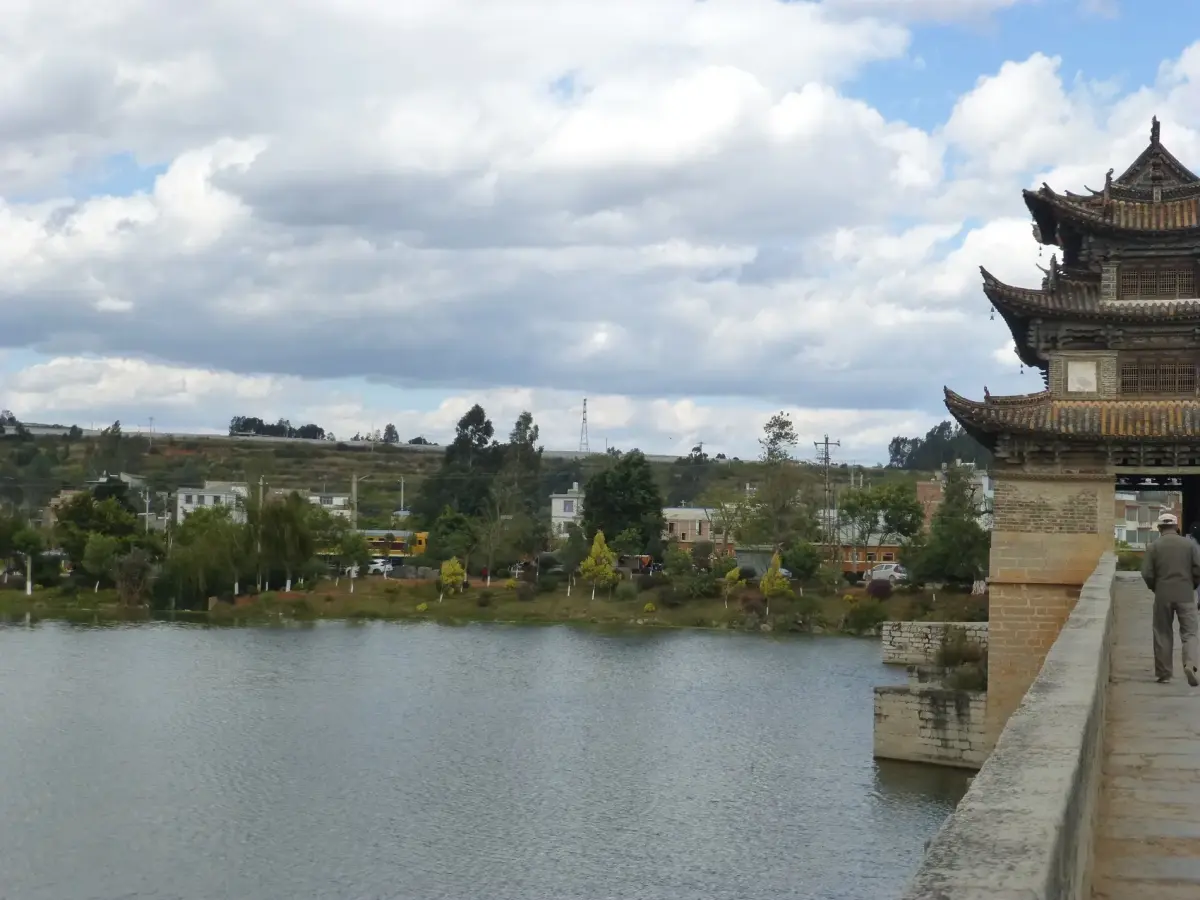
Yujin Bridge is one of the most atmospheric places in Shaxi. The stone bridge crosses the Heihui River just outside the old town, connecting the settlement with fields, paths, and the wider valley.
This is where Shaxi opens up. After the enclosed lanes and courtyards, the bridge gives you space: water below, hills beyond, fields spreading out from the town, and villagers moving between home, work, and market. It is a simple scene, but it helps you understand why Shaxi feels different from more heavily developed ancient towns in China. The old town still sits inside a rural landscape. It has not been visually severed from the valley that made it useful.
Morning is especially good here. Mist sometimes sits low over the river and fields, and the bridge becomes a natural meeting point for photographers, walkers, and locals beginning the day. At sunset, the light is warmer and the walk feels more generous. You do not need a plan. Cross the bridge, walk along the river, and let the town recede behind you.
Practical Info: Yujin Bridge is walkable from Sideng Market Square. Wear comfortable shoes, especially after rain, when rural paths can be muddy.
055. Time Your Visit for the Friday Market
If your dates are flexible, arrange your Shaxi stay around Friday. Market day is when the town feels most connected to the surrounding valley. People come in to buy vegetables, fruit, meat, household goods, tools, textiles, snacks, and seasonal mountain products. It is not staged only for visitors; it is a working market, and that is exactly why it is worth seeing.
The market gives Shaxi texture. You may see baskets of fresh produce, local mushrooms when in season, herbs, grains, poultry, simple clothing, and everyday goods laid out with the practical abundance of a rural trading day. The pleasure is in watching how the town is used. Families meet, sellers call out prices, scooters edge past carefully, older women compare produce, and breakfast happens beside shopping rather than before it.
Do not arrive expecting a polished artisan market. Come for movement, voices, food, and the sense that Shaxi is still a place where the week gathers around one important morning.
Practical Info: Friday morning is the best time. Go early, bring small cash if you plan to buy snacks or produce, and be respectful with photography, especially around people and animals.
066. Spend an Afternoon at Shibaoshan
Shibaoshan, or Stone Treasure Mountain, is the essential day trip from Shaxi. It lies north of town and is known for forested paths, temples, cliffside religious sites, and ancient Buddhist grottoes connected with the Nanzhao and Dali periods.
This is not just a “viewpoint outside town.” It adds historical depth to Shaxi. The carvings and temples at Shibaoshan show how religious, political, and artistic life developed in this part of Yunnan long before modern tourism arrived. The mountain landscape also changes the mood of the trip. After the compact lanes of Shaxi, Shibaoshan gives you stone steps, trees, monkeys in some areas, temple roofs, cliff faces, and the feeling of moving through a sacred landscape rather than simply visiting a site.
Give it proper time. A rushed visit can turn Shibaoshan into a checklist, which is the wrong way to experience it. The best version is a half-day or longer: walk, stop often, look closely at the carvings, and let the mountain air do some of the work.
Practical Info: Shibaoshan is usually visited by hired car or local transport from Shaxi. Ask your guesthouse to help arrange a driver. Bring water, sun protection, and shoes suitable for steps and uneven paths.
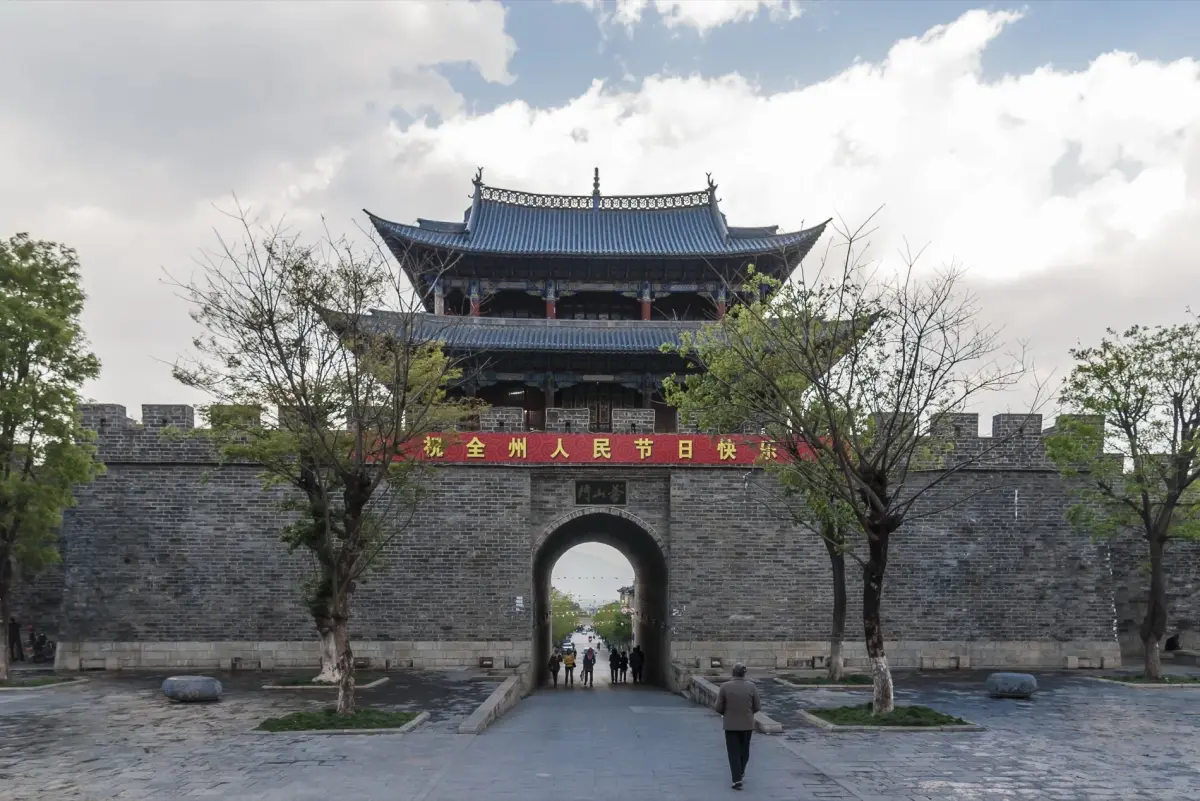
This was once a market stop on the Ancient Tea Horse Road, the trade network that linked Yunnan with Tibet and beyond. Tea, salt, horses, textiles, and daily goods moved through these valleys for centuries. Shaxi’s importance was never about grand imperial scale. It was a caravan town: practical, local, useful, full of traders, animals, food stalls, religious life, and families who made a living from people passing through.
077. Stay in a Courtyard Guesthouse
Accommodation is part of the Shaxi experience. A good courtyard guesthouse changes the way you understand the town, because it lets you live inside its architecture rather than only admire it from the street.
Choose somewhere within or near the old town, ideally in a restored courtyard with wooden details, simple rooms, and outdoor common spaces. The best places do not need to feel luxurious in a glossy way. What matters is proportion, quiet, materials, and care: a clean room, a comfortable bed, a courtyard where you can drink tea, and hosts who know how to help with transport, market timing, and nearby walks.
Shaxi is especially good for travelers who like beautiful accommodation without the hard performance of resort culture. The pleasure is modest and specific: waking to the sound of footsteps in the lane, stepping into a courtyard before breakfast, returning in the evening when the temperature drops and the old town becomes still.
Practical Info: Book ahead for weekends and Chinese public holidays. If you are sensitive to noise, choose a guesthouse slightly away from the main square.
088. Eat Simply and Pay Attention to Yunnan Ingredients
Food in Shaxi is best approached through Yunnan’s ingredients rather than through famous single dishes. Expect mushrooms when in season, local vegetables, rice, noodles, tofu, cured or stir-fried meats, simple soups, and Bai-influenced home-style cooking. The food is earthy, practical, and often deeply comforting after a day of walking.
Breakfast may be the most satisfying meal: noodles in broth, steamed buns, eggs, or rice-based dishes eaten while the town is still waking up. Later in the day, look for restaurants using local produce, especially vegetables and mushrooms from the surrounding region. In cafés and teahouses, the appeal is less about novelty and more about sitting still in a courtyard long enough for the day to soften.
Avoid judging Shaxi’s food by the standards of a major dining city. This is not Chengdu, Shanghai, or Hong Kong. Its charm is smaller and more local. The best meals are often the ones that feel tied to the valley: fresh greens, mushrooms, tofu, rice, tea, and the kind of cooking that makes sense in mountain air.
Practical Info: Restaurants can close early compared with big cities. Eat dinner before it gets too late, especially outside high season.
099. Visit the Bookstores, Teahouses, and Small Studios
Modern Shaxi has developed a gentle creative scene: bookstores, cafés, teahouses, craft spaces, and small guesthouses have moved into restored buildings around the old town and nearby villages. This could easily have made the town feel over-curated, but in Shaxi it often works because the scale remains small.
A good bookstore or teahouse here is not just a place to fill time between attractions. It is part of how the town asks to be experienced. Sit with tea after walking the lanes. Read for an hour in a courtyard. Watch the square change from midday brightness to evening shadow. These pauses are not decorative. They keep the day from becoming a sequence of consumed sights.
This is also one reason Shaxi suits longer stays. With one night, you can see the square and take a few photographs. With two or three nights, you begin to understand the daily rhythm: morning market sounds, quiet midday lanes, late afternoon walks, early dinners, colder evenings, and the particular pleasure of returning to the same square at different hours.
Practical Info: Two nights is the minimum I would recommend. Three nights is better if you want Shibaoshan, the Friday market, and time to enjoy the town without compressing everything.
1010. Use Shaxi as a Softer Stop Between Dali and Lijiang
Shaxi works beautifully as a pause between Dali and Lijiang. Both of those destinations are better known and easier to place on a first Yunnan itinerary, but Shaxi gives the journey a different emotional register. It is smaller, quieter, more rural, and more intimate.
The usual mistake is treating it as a quick detour. You can technically visit from Dali or Lijiang, but a day trip misses the best hours. Shaxi is most beautiful before visitors arrive and after they leave: morning in the square, late afternoon by the bridge, dinner in a warm little restaurant, the old lanes at night when the town has gone mostly quiet.
For a refined Yunnan route, I would place Shaxi after Dali and before Lijiang, or the reverse if your flights require it. Dali gives lakeside scale and old-town energy; Shaxi gives the valley and caravan history; Lijiang gives Naxi culture, canals, and access to higher mountain landscapes. Together they make western Yunnan feel layered rather than repetitive.
Practical Info: Shaxi is commonly reached by road from Dali, Lijiang, or Jianchuan. Ask your accommodation about current transfer options, as direct buses and shared vehicles can change.
11Suggested 3-Day Shaxi Itinerary
Day 1: Arrive in the afternoon, settle into a courtyard guesthouse, walk Sideng Market Square, visit the old theatre stage area, and have a simple dinner near the old town. Return to the square after dark for a quieter view of the architecture.
Day 2: Visit Xingjiao Temple in the morning, wander the old lanes, cross Yujin Bridge, and walk along the Heihui River. Spend the afternoon in a teahouse or bookstore, then return to the bridge around sunset.
Day 3: If it is Friday, start with the market. Otherwise, take a half-day trip to Shibaoshan. Leave in the late afternoon, or stay one more night if you want the town to feel less like a stop and more like a place you briefly lived in.
12Best Time to Visit Shaxi
Spring and autumn are generally the most comfortable seasons for western Yunnan, with mild temperatures and clearer conditions. Summer can be green and beautiful but wetter, while winter brings colder mornings and evenings, especially because Shaxi sits at elevation.
The best timing is not only about weather. Try to include a Friday morning for the market, and avoid major Chinese public holidays if you prefer quieter lanes and better accommodation choices.
13How Long to Stay
Stay at least two nights. One night is possible, but it reduces Shaxi to a pretty square and a few lanes. Two nights allow you to see the town at different hours. Three nights give you time for the Friday market, Shibaoshan, river walks, and the slow pleasure of returning to the same courtyard without checking your watch.
Shaxi is not a place that needs to be exaggerated. Its beauty is already there, in plain materials and careful proportions: stone, wood, tiled roofs, market baskets, temple beams, field paths, and mountain light. What it offers is rare not because it is untouched, but because it still feels coherent. The town, the square, the bridge, the market, the temple, and the valley still belong to one another.
That is why Shaxi stays with you. Not as a spectacle, but as a memory with texture: a wooden stage facing an old temple, the sound of Friday market voices, the cool shadow of a courtyard, and a stone bridge leading out toward the fields.
Основные источники фактов: World Monuments Fund о восстановлении Shaxi Market Area; Lonely Planet по Shibaoshan; Shaxi local guide по Sideng и Shibaoshan; China Discovery и Yunnan Exploration по Tea Horse Road, Xingjiao Temple, Sideng Village и Friday Market.